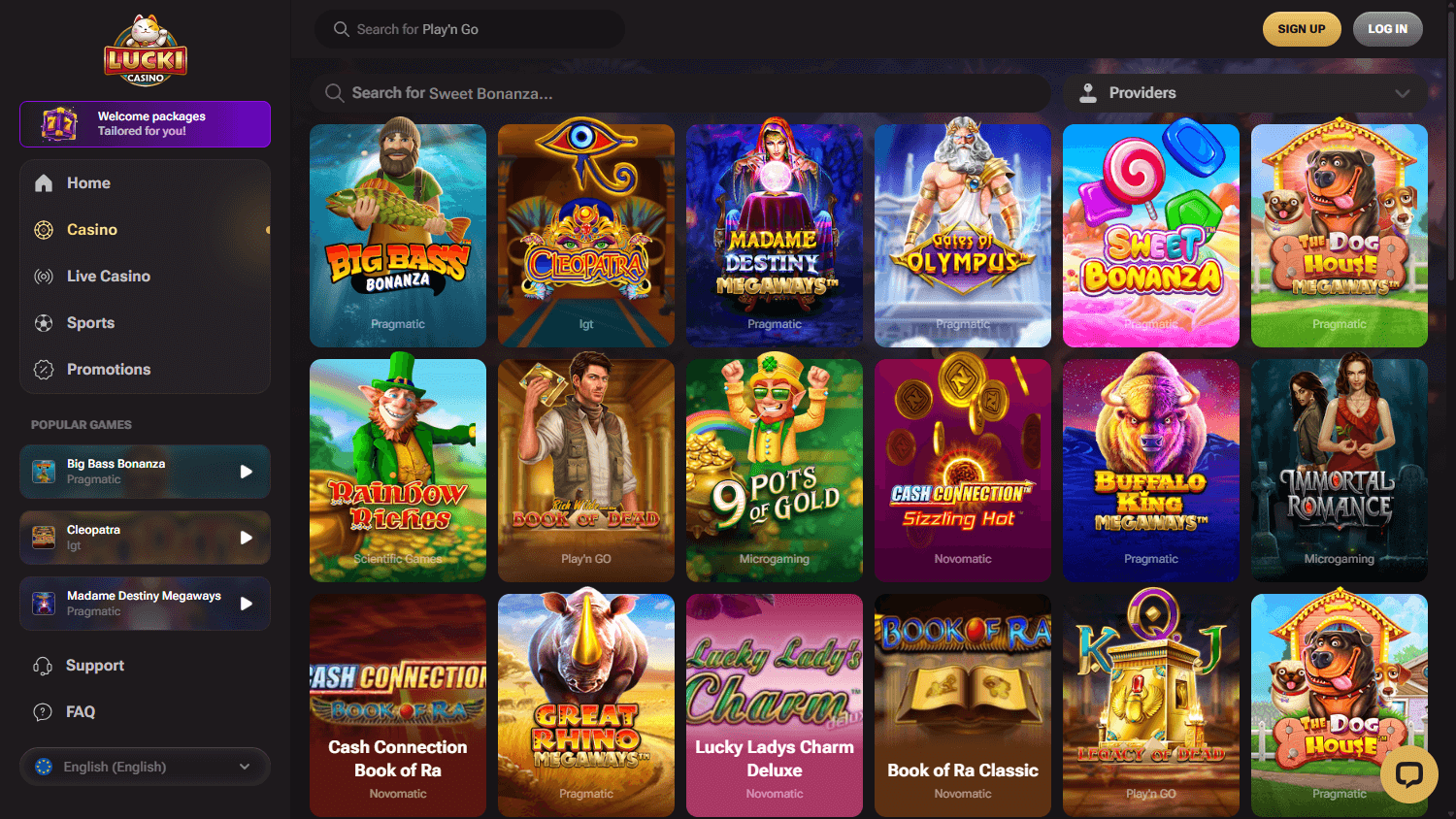

The Ultimate Guide to Winning Big at Online Casinos
The Ultimate Guide to Winning Big at Online Casinos

Online casinos have transformed the way players experience gambling, offering instant access to hundreds of games from the comfort of home. With secure payment options and generous bonuses, digital gambling platforms appeal to both newcomers and seasoned players. This guide explores how online casinos work and what to consider before signing up.

How Digital Gambling Platforms Became a Global Entertainment Phenomenon
It began quietly in the mid-1990s, when a few pixelated poker rooms flickered to life on dial-up screens. What was once confined to smoky casinos and neon-lit Vegas floors suddenly slipped into living rooms, then pockets, then the palm of every restless commuter. Smartphones turned spare minutes into micro-escapes, while live dealers and immersive graphics blurred the line between screen and reality. Streaming culture, crypto payments, and social-media hype fueled the fire, making digital gambling platforms a shared global pastime. Today, from Stockholm to São Paulo, millions chase that same electric thrill—proof that online betting entertainment has rewritten how the world plays, connects, and dreams of the next big win.
The Evolution from Land-Based Venues to Virtual Wager Destinations
Digital gambling platforms became a global entertainment phenomenon by removing friction: instant access, mobile-first design, localized payments, and live dealer streams turned betting into a seamless pastime. Online casino entertainment grew through affiliate marketing, influencer streams, and gamified loyalty perks that mimic video-game rewards. Regulators forced transparency, which paradoxically boosted trust and participation in licensed markets. Operators now blend sportsbook, slots, and crypto options under one account, while AI personalizes offers and responsible-gambling tools. The result is a 24/7 cross-border ecosystem where entertainment, technology, and wagering converge—appealing to casual users seeking thrill, not just high rollers.
Key Technological Drivers Behind the Sector's Rapid Growth
Digital gambling platforms exploded into a global entertainment phenomenon thanks to smartphones, fast internet, and seamless payment options. What was once limited to smoky casinos became a click away, with online casino gaming now reaching millions across every continent. Streamers, esports crossovers, and social media hype turned betting into spectator sport, while localized apps broke down language and currency barriers. Bonuses, jackpots, and live dealers keep players hooked, and crypto added a new layer of speed and privacy. It’s entertainment, adrenaline, and community rolled into one screen—no travel required.
Understanding Licensing and Regulatory Frameworks Worldwide
Understanding licensing and regulatory frameworks worldwide is essential for businesses operating across borders. These frameworks vary significantly by jurisdiction, affecting market entry, compliance costs, and operational flexibility. Global regulatory compliance requires navigating sector-specific rules, from financial services to healthcare and telecommunications. Key considerations include local ownership restrictions, capital requirements, data protection laws, and environmental standards. Harmonization efforts through trade agreements and international bodies aim to reduce barriers, yet national sovereignty often prevails. Companies must monitor dynamic changes, as penalties for non-compliance can be severe. A thorough grasp of cross-border licensing requirements enables informed strategic decisions, risk mitigation, and sustainable international expansion.
Jurisdictions With Permissive vs. Restrictive Approaches
When Maya launched her solar startup, she assumed one permit fit all. She quickly learned that understanding licensing and regulatory frameworks worldwide means navigating a patchwork of rules. In Kenya, she needed a local energy license; in Germany, strict grid certifications; in Brazil, state-level tax registrations. Each market demanded different documentation, fees, and timelines.
- Local licenses: issued by cities or states
- National permits: for cross-border operations
- Sector regulators: energy, health, finance
Q: Why do frameworks vary so much?
A: Because legal traditions, risk tolerance, and political priorities differ by country.
Why Player Protection Standards Vary by Region

Understanding licensing and regulatory frameworks worldwide is essential for any business expanding across borders. Each jurisdiction imposes distinct requirements, from data protection and financial compliance to product certification and corporate governance. Global regulatory compliance strategy demands proactive mapping of local laws, since overlooking a single mandate can halt operations or trigger penalties.
Never assume your home-country license travels with you—regulatory approval is almost always territorial.Practical steps include:
- Identifying sector-specific regulators in each target market
- Auditing gaps between local and home-country requirements
- Engaging local counsel to validate filings and timelines
Treat licensing as a continuous process, not a one-time checkbox.
How to Verify a Legitimate Operator's Credentials
Navigating global licensing and regulatory frameworks demands more than local knowledge—it requires a strategic, worldwide mindset. Every jurisdiction imposes distinct requirements for market entry, from capital adequacy and fit-and-proper tests to ongoing compliance reporting. Without a unified approach, expansion stalls, penalties mount, and reputations suffer. Successful firms build a regulatory map covering licensing tiers, ownership restrictions, and cross-border passporting rights. They invest in local counsel, automate compliance monitoring, and treat regulation as a competitive advantage, not a burden. Master these frameworks, and you unlock faster approvals, lower risk, and durable access to every target market.
Core Game Categories Players Seek Out
Players gravitate toward distinct core game categories that match their mood and skill level. Action and shooter fans chase adrenaline through fast reflexes and precision aiming, while RPG enthusiasts dive into rich narratives and character progression. Strategy lovers thrive on tactical planning and resource management, and casual players seek quick, accessible fun through puzzles or party games. Multiplayer online battles fuel social competition, whereas immersive open-world adventures offer endless exploration and discovery. Sports, racing, and simulation titles attract realism seekers, while horror and survival genres deliver tension and resource scarcity. Understanding these core categories helps developers tailor experiences and helps players find their perfect digital escape.
Slot Machines and Progressive Jackpot Networks
Players gravitate toward distinct core game categories based on the experience they crave. Action-adventure fans seek exploration and reflex-driven combat, while RPG enthusiasts prioritize character progression and narrative depth. Strategy players thrive on resource management and tactical decision-making, whereas puzzle and casual gamers prefer short, rewarding sessions. Multiplayer and competitive titles attract those motivated by social proof and rank advancement. Understanding these motivations helps developers and marketers align features, messaging, and monetization with real player intent rather than guesswork.
- Action/Adventure: fast feedback, exploration
- RPG: progression, story, builds
- Strategy: planning, mastery
- Casual/Puzzle: accessibility, quick wins
- Competitive/Multiplayer: status, teamwork
Q: Which category has the broadest audience?
A: Casual and puzzle titles typically reach the widest demographic due to low barriers to entry.

Table Classics: Blackjack, Roulette, Baccarat, and Poker Variants
Players gravitate toward core game categories that match their moods and skill levels. Action fans crave fast reflexes, RPG enthusiasts love deep progression, strategy players enjoy outsmarting opponents, and casual gamers prefer quick, relaxing sessions. Many also explore sandbox, sports, horror, and puzzle titles for variety.
- Action: reflex-driven combat
- RPG: story and character growth
- Strategy: planning and tactics
- Casual: short, easy play
Q: What is the most popular core game category?
A: Action and shooter games consistently lead, but RPGs and casual titles remain strong competitors.
Live Dealer Studios and Real-Time Immersive Experiences
Gamers today chase a handful of core experiences, and knowing what clicks keeps your library fresh. The most popular game genres usually fall into a few clear buckets. Action-adventure fans want fast combat and big worlds, while RPG lovers sink hours into stats and story choices. Competitive players lean toward shooters, MOBAs, and battle royales for that ranked rush. Casual folks often reach for puzzlers, party games, or cozy sims to unwind. Honestly, most of us hop between three or four of these depending on our mood. Here’s the quick breakdown:
- Action & Shooters
- RPGs & MMOs
- Strategy & Puzzle
- Sports & Racing
- Simulation & Casual
Crash Games, Virtual Sports, and Emerging Hybrid Formats
Gamers today know exactly what they want, and the core game categories players seek out usually depend on their mood. Some crave fast-paced shooters like Call of Duty for that adrenaline rush, while others unwind with cozy simulation games such as Stardew Valley. RPGs hook players with deep storytelling, battle royales deliver nonstop competition, and puzzle games offer a quick mental workout. Honestly, there is no wrong pick as long as you are having fun. Whether you love strategy, sports, or sandbox creativity, the goal stays the same: find a genre that clicks with how you like to play.
Payment Methods and Financial Transactions Explained
When you shop online or in a store, payment methods and financial transactions are basically how your money travels from your pocket to the seller. You might tap a credit card, use a debit card linked to your bank account, or go digital with apps like PayPal or Apple Pay. Each option works a bit differently behind the scenes, but they all aim to make secure payments fast and easy. Understanding financial transactions helps you avoid fees, spot fraud, and pick the method that fits your budget. Whether it's cash, card, or crypto, knowing the flow keeps your wallet safe and your shopping stress-free.
Traditional Banking Options vs. Cryptocurrency Wallets
Understanding payment methods and financial transactions is essential in today’s digital economy. From cash and cards to mobile wallets and bank transfers, each option offers unique speed, security, and convenience.
Choosing the right payment method can save you time, reduce fees, and protect your financial data.Here’s a quick comparison:
- Credit/Debit Cards: Fast, widely accepted, with fraud protection.
- Digital Wallets: Contactless, app-based, ideal for mobile users.
- Bank Transfers: Secure for large sums, but slower.
- Cash: Instant, anonymous, but no digital trace.
Mastering these tools ensures smoother, smarter money management.
E-Wallets, Prepaid Cards, and Instant Bank Transfers
Think of payment methods and financial transactions as the different ways your money travels from point A to point B. You've got cards, bank transfers, digital wallets, and cash—each one moves funds at its own speed and cost. Cards swipe instantly but can carry fees, while bank transfers are slower yet cheaper for big amounts. Digital wallets like PayPal or Apple Pay sit in between, offering speed and convenience. The key difference? Some transactions settle right away, others take days. Pick the method that matches your urgency, budget, and how much you trust the other side.
Withdrawal Speeds, Fees, and Currency Conversion Considerations
Choosing the right payment methods and financial transactions starts with matching speed, cost, and security to each use case. Cards suit everyday retail, bank transfers handle large sums, and digital wallets win on convenience. Always verify fees, settlement times, and fraud protections before committing.
- Credit/Debit Cards: Fast, widely accepted, strong chargeback rights.
- Bank Transfers (ACH/SEPA/Wire): Low cost domestically, slower or pricier internationally.
- Digital Wallets: Quick checkout, tokenized security.
- Cryptocurrency: Fast cross-border, but volatile and less reversible.
Q: Which method is safest? A: Cards and regulated wallets offer the strongest consumer protection.
Bonuses, Promotions, and Loyalty Programs Decoded
Bonuses, promotions, and loyalty programs are not random perks—they are strategic tools designed to reward action and build lasting relationships. A welcome bonus lowers the barrier to entry, while ongoing promotions create urgency and excitement. Loyalty programs go further, offering points, cashback, or tiered status that turns occasional buyers into devoted advocates. The smartest brands use these incentives to collect data, personalize offers, and increase lifetime value. When decoded correctly, they deliver mutual benefit: you gain tangible value, and the business earns your repeat trust. Stop leaving money on the table—understand the mechanics and maximize every reward you deserve.
Welcome Packages, Free Spins, and No-Deposit Offers

Bonuses, promotions, and loyalty programs are powerful tools that reward smart spending and build lasting brand relationships. A customer loyalty program turns one-time buyers into repeat advocates through points, cashback, or exclusive perks. Limited-time promotions create urgency, while sign-up bonuses lower the barrier to entry. To maximize value, always read the fine print, track expiration dates, and stack offers when allowed. Remember: the best rewards go to those who plan, not those who react. Use these programs deliberately, and you will unlock real savings, VIP treatment, and benefits that compound over time.
Wagering Requirements and How They Affect Real Value
Bonuses, promotions, and loyalty programs are strategic tools that reward repeat behavior while shaping customer perception of value. The key is understanding the loyalty program ROI behind every offer: bonuses should drive incremental action, not just discount existing demand. Promotions work best with clear expiry and targeting, while loyalty tiers should unlock meaningful perks that escalate with spend. Avoid stacking offers that erode margin without changing behavior. Track redemption rates, breakage, and customer lifetime value to separate genuine retention drivers from costly gimmicks that train customers to wait for deals.
VIP Tiers, Cashback Schemes, and Personalized Rewards
Bonuses, promotions, and loyalty programs decoded reveal a simple truth: smart shoppers never pay full price twice. Companies reward repeat buyers with exclusive loyalty rewards that slash costs and unlock perks. Ignoring these programs is like leaving free money on the table. Stack points, time your purchases around seasonal bonuses, and redeem strategically for maximum value. Here is how to win:
- Join every relevant program for free.
- Track expiring points and bonus multipliers.
- Combine promotions with cashback offers.
Mobile Accessibility and User Experience Trends
Mobile accessibility and user experience trends increasingly prioritize inclusive design, voice navigation, and adaptive interfaces that respond to diverse motor, visual, and cognitive needs. Accessible mobile design now integrates screen reader compatibility, customizable text sizes, and haptic feedback as standard expectations rather than optional features. Simultaneously, mobile UX trends emphasize minimal cognitive load, gesture-based controls, and AI-driven personalization that adjusts layouts in real time. Dark mode, reduced motion options, and thumb-friendly navigation further enhance usability across contexts. These developments reflect a broader shift toward equitable digital experiences, where accessibility and seamless interaction converge to serve all users effectively.
Native Apps vs. Browser-Based Instant Play Platforms
Mobile accessibility is no longer an afterthought—it's a core part of inclusive mobile UX design. Trends like voice navigation, dynamic text sizing, and haptic feedback are making apps usable for everyone, including people with visual or motor impairments. Dark mode, reduced motion settings, and screen reader optimization are becoming standard, not extra. Designers now prioritize thumb-friendly zones, clear focus states, and customizable interfaces. The goal? Seamless experiences without forcing users to adapt. Accessibility drives better usability for all, which boosts retention and satisfaction. If your app ignores it, you're leaving real people behind.
Interface Design, Load Times, and Navigation Simplicity
Mobile accessibility is no longer optional—it is the baseline for competitive user experience. As voice control, haptic feedback, and adaptive layouts mature, accessible mobile UX trends now drive mainstream design decisions. Inclusive design boosts retention, expands market reach, and reduces friction for every user, not just those with disabilities. Teams that prioritize screen reader semantics, dynamic type, and touch target spacing ship products people genuinely love.
Accessibility is not a feature—it is the foundation of great mobile experience.
- AI-powered personalization that respects assistive settings
- Gesture alternatives paired with clear visual cues
- Real-time captions and voice navigation as default options
Cross-Device Synchronization and Account Management
Mobile accessibility now defines great user experience, not just legal compliance. Winning apps treat inclusive mobile UX design as a competitive edge, shipping screen-reader labels, dynamic type, sufficient contrast, and full keyboard and switch-control support by default. Emerging trends reinforce this shift: AI-powered alt text, voice-first navigation, haptic feedback, and adaptive layouts that respect reduced-motion settings. Accessibility overlays are fading as teams embed standards like WCAG 2.2 directly into design systems. Chief among them: test with real assistive technology early and often. The payoff is clear — broader reach, higher retention, and stronger brand trust among millions of users who depend on accessible mobile experiences every day.
Security Measures and Fair Play Assurance
In the shadowy arena of online gaming, where every click could hide a cheat, the guardians of fair play never sleep. They weave invisible threads of encryption around each match, while advanced anti-cheat systems watch like silent sentinels. Player identities are verified through multi-layered authentication, and random audits keep everyone honest. When a suspicious pattern emerges, algorithms flag it instantly, triggering human review. This constant vigilance ensures that skill, not exploitation, decides the victor. For those who cherish competition, these security measures and fair play assurance protocols are the unseen shield that keeps the game pure, letting every honest player fight with confidence.
Encryption Protocols and Data Privacy Practices
Robust security measures and fair play assurance rely on layered protection: encrypted data transmission, certified random number generators, and independent audits. Operators should enforce strict identity verification, monitor betting patterns in real time, and isolate player funds. Equally vital is transparent governance—publish audit results, maintain a clear dispute-resolution channel, and apply consistent penalties for collusion or bot use.
Random Number Generators and Independent Audits
When you sit down to play, you want to know the game is legit. That's where fair play assurance comes in. Reputable platforms use random number generators to keep outcomes unpredictable, while encryption protects your personal data from prying eyes. Many also team up with independent auditors who verify results regularly, so nothing feels rigged. Plus, strict identity checks stop cheaters and underage users from sneaking in. It's all about creating a safe space where skill and luck—not shady tricks—decide the outcome. So relax, play smart, and enjoy the ride knowing someone's got your back.
Responsible Gambling Tools: Limits, Self-Exclusion, and Support

When you sit down to play, you want to know the game's legit, right? That's where fair play assurance kicks in. Platforms use random number generators, encryption, and independent audits to keep things honest. On top of that, security measures like two-factor authentication and secure servers protect your data around the clock.
Bottom line: if a site can't prove it's fair and secure, don't trust it with your time or money.
Here's what to look for:
- RNG certification from third parties
- SSL encryption on every page
- Regular security audits
- Clear anti-cheat policies
Strategies and Mindset for Recreational Players
Recreational players benefit most from a growth-oriented mindset that prioritizes enjoyment over outcome. Setting realistic, process-based goals, such as improving a specific skill or maintaining focus, reduces pressure and sustains motivation. Consistent practice matters more than occasional intense sessions, so short, regular play builds competence gradually. Accepting mistakes as learning opportunities prevents frustration and encourages experimentation. Strategically, players should balance challenge with comfort, choosing activities that stretch abilities without causing burnout. Social connection and playful competition further enhance engagement. Embracing flexibility, celebrating small wins, and avoiding comparison with advanced players create a sustainable, positive recreational experience.
Bankroll Management Principles That Reduce Risk
For recreational players, the best pickleball strategy for beginners is simple: keep it fun and steady. Focus on consistency over power, aim for deep returns, and move as a team with your partner. Don't stress about winning—celebrate rallies instead.
- Warm up properly to avoid injury
- Call the ball to avoid confusion
- Position near the kitchen line when possible
- Laugh off mistakes and keep playing
Your mindset matters more than skill. Stay patient, encourage others, and treat every game as a chance to improve just a little.
Understanding House Edge and Return-to-Player Percentages
For the recreational player, the real victory lives in enjoying the game while improving steadily. I once watched a weekend tennis regular stop chasing perfect shots and start chasing small wins instead. He shifted his mindset from outcome to process, celebrating effort over ego. Progress, not perfection, became his quiet coach. Practical strategies kept him grounded:
- Set micro-goals each session
- Track one skill at a time
- Reflect briefly after play
Common Myths About Beating the System
Recreational players thrive when they prioritize enjoyment over outcome, using smart training strategies for recreational players to stay consistent without burnout. Focus on process goals, like improving one skill per session, rather than chasing wins. Embrace a growth mindset: mistakes are feedback, not failure. Patience matters more than talent. Build a simple routine—warm up, drill one weakness, play for fun. Rest when tired, celebrate small wins, and compete only with your past self. This approach keeps motivation high, reduces pressure, and makes every game a chance to learn and enjoy.
The Role of Customer Support and Community
Customer support and community are the backbone of lasting brand loyalty. When users face friction, responsive customer support transforms frustration into trust, proving your company listens and acts. Equally vital, an engaged community turns passive users into advocates who share solutions, reduce churn, and drive organic growth.
No product is perfect, but a strong support and community ecosystem makes imperfection forgivable and even endearing.Invest in both, and you build a self-sustaining loop: happy customers help each other, lowering support costs while deepening emotional investment. That is not a cost center — it is your most powerful retention engine.
Live Chat, Email, and Phone Assistance Compared
Exceptional customer support and community engagement turn everyday users into loyal advocates. Fast, human responses solve problems before frustration grows, while forums, chat groups, and feedback loops make customers feel heard and valued. This combination boosts retention, sparks word-of-mouth referrals, and fuels product improvements. When support feels personal and community feels inclusive, brands build trust that no ad can buy.
Forums, Streamers, and Social Features That Build Engagement
Exceptional customer support and community engagement transforms users into loyal advocates. Responsive, knowledgeable teams resolve issues swiftly, while vibrant communities foster peer learning and brand trust. Together, they reduce churn, boost satisfaction, and drive organic growth. Prioritize both, and your business gains a decisive competitive edge.
Future Innovations Shaping the Industry
Get ready, because the next decade is going to flip the industry on its head. We're talking AI that doesn't just assist but actually predicts what your customers want before they do, plus **smart automation** that handles the boring stuff so you can focus on the big ideas. Then there's **sustainable tech**—think zero-waste production and energy-efficient systems that cut costs and save the planet. And let's not forget the metaverse and AR, which will let you try products or tour factories from your couch. Honestly, the future isn't just coming—it's already knocking, and it's pretty exciting.
Artificial Intelligence for Personalization and Fraud Detection
Future innovations shaping the industry will be driven by AI, automation, and sustainable design. Companies that adopt smart manufacturing solutions early will gain a decisive edge. Expect hyper-connected factories, predictive maintenance, and digital twins to slash downtime and waste.
Waiting to modernize is the fastest way to become obsolete.To stay competitive, focus on:
- Investing in AI-driven analytics
- Scaling IoT and edge computing
- Prioritizing circular economy models
Virtual Reality Lounges and Metaverse Integration
Expect AI-driven automation and smart manufacturing to redefine competitive advantage across every sector. Companies that integrate predictive analytics, digital twins, and collaborative robotics will cut downtime, personalize products at scale, and accelerate time-to-market. Watch these shifts closely:
- Generative design tools that optimize components for weight and cost
- Edge computing enabling real-time quality control on the factory floor
- Blockchain-backed supply chains delivering verifiable provenance
Leaders should pilot these technologies in contained environments, measure ROI against clear KPIs, and scale only what proves resilient. Those who treat innovation as a continuous discipline, no deposit bonus not a one-off project, will set the industry standard.
Blockchain Transparency and Provably Fair Gaming
Imagine a factory floor where machines predict their own failures before they happen. That's the promise of AI-driven predictive maintenance, one of the future innovations shaping the industry. As our story unfolds, smart sensors whisper data to cloud platforms, digital twins simulate entire production lines, and collaborative robots work safely beside humans. These breakthroughs don't just cut costs—they redefine what's possible.
Companies that embrace these technologies today will lead tomorrow's markets.
- AI and machine learning for real-time decisions
- Industrial IoT for seamless connectivity
- 3D printing for on-demand, localized manufacturing